Granite countertops are beautiful and timeless, but they come with real trade-offs every El Paso homeowner should understand before signing a contract. We've been a family-owned stone fabricator on Gateway Blvd E since 1985, and these are the disadvantages we wish more buyers knew about up front.
Granite Countertops Cost More Than You Expect
If we were to tell you that granite countertops have downsides, the number one thing most people are shocked by is the true cost. Many of our clients assume a granite countertop is simply the slab price, but in reality, the true cost goes way beyond that.
We've been a family owned countertop shop in El Paso since 1985, sourcing our granite stone directly out of Brazil. Since we handle the stone first hand, we know exactly where granite is going to cost you over time. Most homeowners walk into our Gateway Blvd E showroom with an idea of how much they want to pay for granite countertops, and more often than not, they are expecting to spend less.
While granite is beautiful and timeless, it is very heavy. A large kitchen slab can often weigh 600 pounds or more, meaning it might need extra support. Some homeowners can't install granite because their existing cabinets are already at max weight. Some older homes need construction work to support the weight of granite countertops. The cost of installing granite goes way beyond the granite itself.
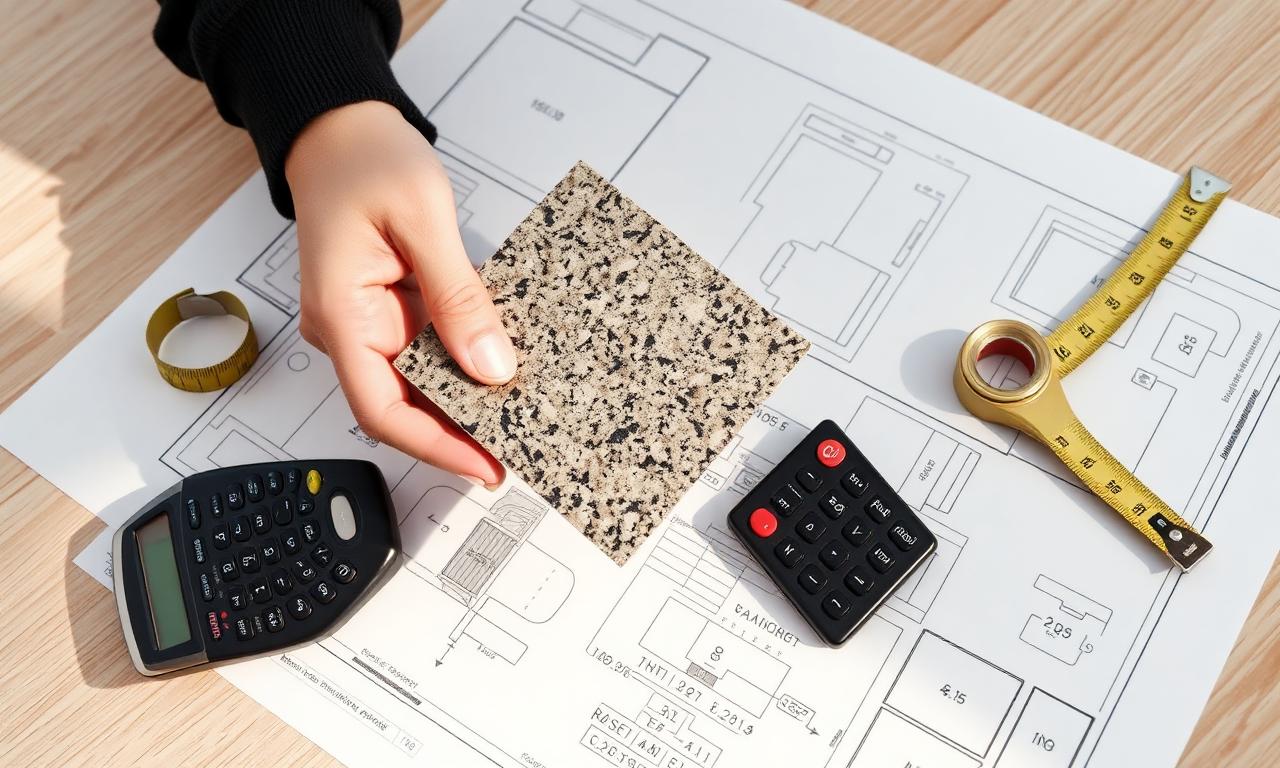
The second biggest cost is the labor involved in cutting it. Granite requires precise cutting using special diamond blades, and the edge profiling and sink cutouts all add to the labor. The number of corners and angles also adds to the final price. A rectangular layout requires less labor than an L-shaped layout or a countertop with a waterfall edge — and most kitchen layouts aren't a simple rectangle.
Transportation is another factor. Although granite is hard and durable, it is fragile when being moved from the warehouse to your home. This is a hidden cost baked into the price whether the customer is aware of it or not.
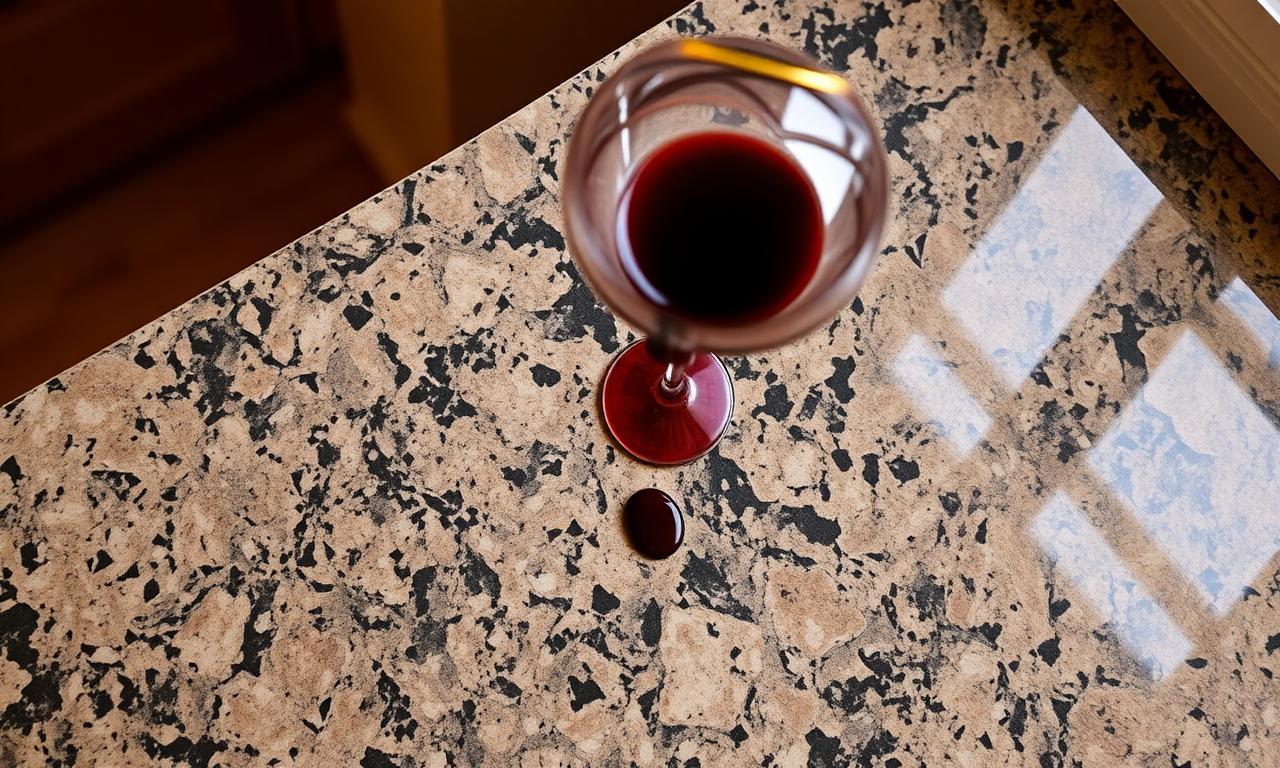
The next biggest disadvantage is maintenance. Because granite is porous, it requires regular sealing. According to the Natural Stone Institute, granite countertops need resealing every 1 to 2 years depending on wear. Skip it and you'll start to see staining from oils, wine, or other liquids — something we see often in Borderland kitchens full of salsa, lemons, and citrus.
You can seal your countertop yourself with a sealer from a hardware store, but you have to apply it correctly or your granite will look hazy or cloudy. We often hear from homeowners who notice a stain, scrub for hours, and then realize the stain has soaked below the sealant. The cost to come repair that stone is a new expense most homeowners didn't budget for — and even higher if the stain is too deep to remove.
We don't want to talk you out of granite. It's gorgeous, timeless, and durable. We just want you to understand all the costs so you make a decision you won't regret. Many clients walk into our Gateway Blvd E showroom intending to buy granite and end up choosing quartz or quartzite once they see how the long-term numbers work out. We don't mind one bit. When you're choosing kitchen countertops or bathroom vanity tops, think of the full time frame you'll own your home — not just the day of installation. Want a personalized breakdown? Call our team at 915 350 8100.
Granite Countertops Need Sealing — and You'll Need to Do That Regularly
Here's something a lot of customers don't realize until it's too late. Granite countertops are made of natural stone, and natural stone is somewhat porous. That means if you don't seal the countertop regularly, liquids can soak into the stone and stain it. We've been cutting and installing granite countertops since 1985 here at COMAF, and we still get many calls from people who never sealed their stone and ended up with permanent stains.
Sealing granite is non-optional. Depending on the slab, your countertops will likely need to be resealed every one or two years — sometimes more often for light-colored granite. The process is straightforward: clean the surface, spread the sealer evenly, let it sit, then wipe off the excess. About 30 minutes of work. But if you forget, you'll end up with stains.
We see this scenario constantly at our Gateway Blvd E showroom. A customer comes in to replace old granite countertops that look discolored or stained, and they tell us they never sealed the stone. Coffee rings near the coffee maker, olive oil stains by the stove, water discoloration that won't clean off. Once stains penetrate unsealed stone, you're left using a poultice treatment — a paste applied overnight to draw the discoloration out. Sometimes it works the first time. Sometimes it takes three or four attempts. Sometimes the stain is permanent.
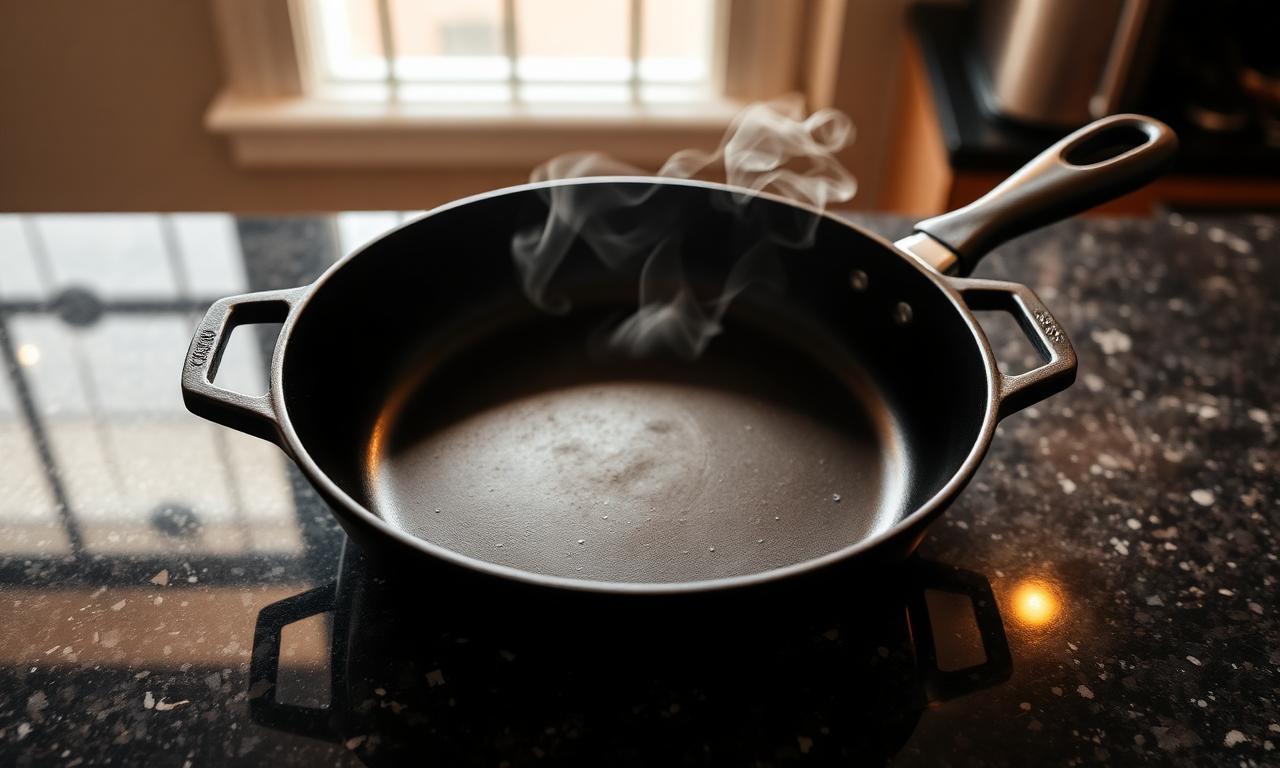
El Paso has a very dry climate, so there's less standing water sitting around. Even so, our desert heat can warm a kitchen so much that hot pans placed directly on granite can affect the sealer over time. Our climate doesn't give you a free pass.
Granite countertops also need gentle cleaning products. Bleach, vinegar, and ammonia-based cleaners damage and etch the sealer. Use warm water and a pH-neutral cleaner designed for natural stone. Beyond that: blot acidic spills like lemon juice, wine, or tomato sauce immediately. Use a cutting board — knife blades scratch the polished surface. Don't slide heavy pots or appliances across the surface. Always use trivets under hot pans.
It's not complicated, but you have to keep doing it. Granite countertops may frustrate you if you want a surface you can set down and forget about.
Since we get our granite directly from Brazil, the quality of the stone varies. Some types have a denser, more stain-resistant grain than others. A tighter grain means fewer pores for liquid to penetrate. This is another reason we walk you through your options at our Gateway Blvd E showroom — the slab you pick matters as much as how you care for it.
One local family on the Eastside told us they enjoy their granite countertops but wished they'd been advised ahead of time about the care required. That's why we now give every customer a full set of care instructions with each install — so you know what you're agreeing to.
Hard Water Is One of Granite's Biggest Hidden Enemies in El Paso
Here's something you won't find in the standard brochure from El Paso granite retailers. The tap water we drink, cook, wash, and clean with in El Paso is among the hardest in the country. El Paso Water Utilities reports hardness levels topping 200 parts per million for long stretches of the year. For your kitchen and bathroom granite, this causes real problems.
Hard water leaves mineral deposits on whatever it touches. We're used to seeing it on faucets, shower doors, and inside coffee makers. Now imagine those mineral deposits accumulating on granite day after day. Over time, hard water deposits don't just sit on top — they seep into the stone's natural pores and become much tougher to remove.
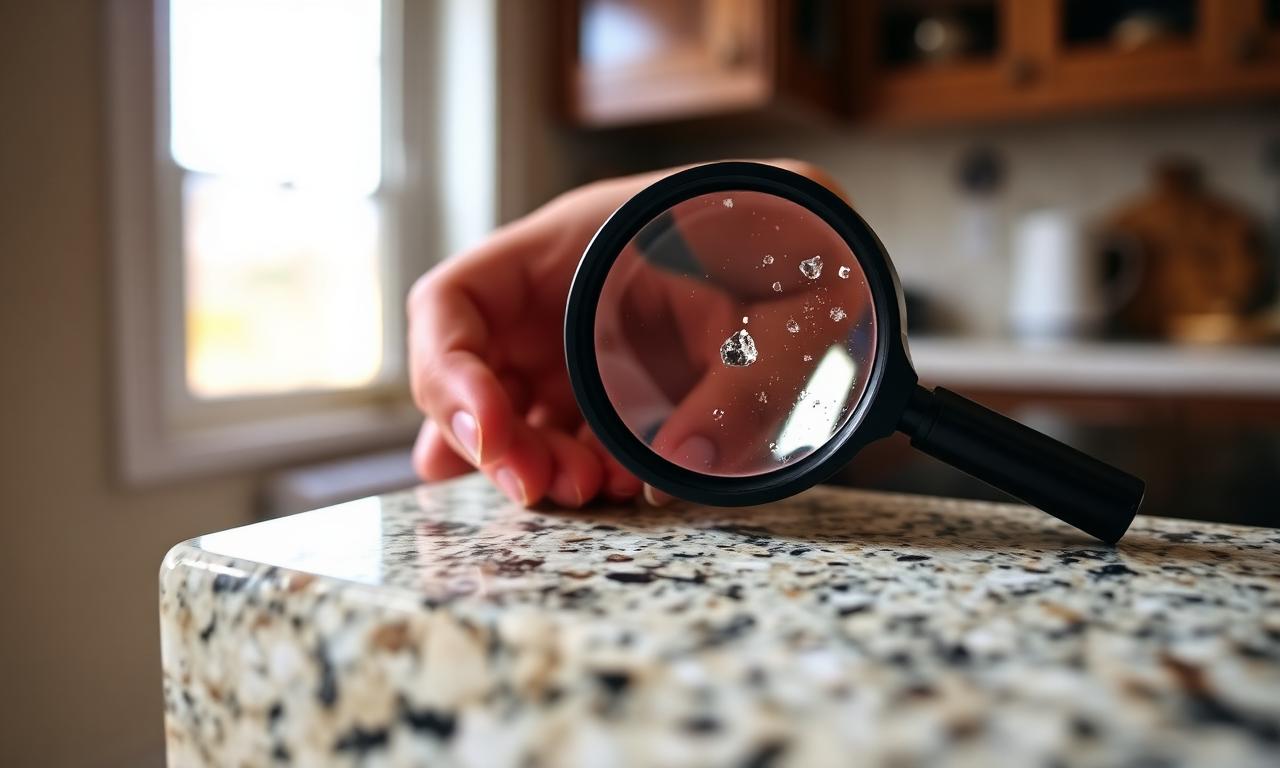
Granite is naturally porous. Even sealed, the surface still absorbs some minerals. Calcium and other minerals find their way into those tiny pores every time a splash hits the surface and dries. White film builds up around your sink and faucet area. It's even more visible on dark granite. After several months, that buildup can dull the polish, and common household cleaners can't remove it without damaging the sealer.
We see this play out hundreds of times a year at our Gateway Blvd E showroom. Homeowners from the Eastside to the Upper Valley bring us photos of their granite countertops after just a year of use. In almost every case, it's hard water damage.
This isn't limited to kitchens. Bathroom granite countertops — especially vanity tops — take an even harder beating from hard water. Water sits on the bathroom surface more often and isn't always wiped off after each use. Brushing teeth, washing hands, doing your hair in the morning — all of it leaves hard water residue.
We've been in the granite business in El Paso since 1985, sourcing stone directly from Brazil, so we've had decades to watch how our local water affects every type of natural stone. Granite is durable and beautiful, and for most homeowners it holds up just fine — but it's susceptible to damage in some parts of the country, including ours.
If you already own granite or you're considering it, here's what helps: wipe away standing water after each use, use a stone-safe cleaner (no vinegar or household sprays), seal your countertops more often than other regions recommend (every 6–12 months in El Paso), look into a whole-house water-softening system, and ask your supplier about denser slabs that are easier to seal.
Some of these steps are a hassle. Some homeowners love granite enough to do them. Others realize that quartz or quartzite — both more resistant to hard water — fits their lifestyle better. Neither choice is wrong. What is wrong is being surprised by cloudy countertops a year after install. Want to see how granite holds up in El Paso? Stop by our Gateway Blvd E showroom or call 915 350 8100 — we're happy to walk you through the right material for your home.