Heat-resistant doesn't mean heatproof. Customers walk into our Gateway Blvd E showroom every week assuming granite can take anything a stove throws at it. After 40 years fabricating granite countertops in El Paso, here's what we tell every homeowner about hot pans, thermal shock, and the sealer that actually fails first.
Granite Countertops Can Take the Heat — But They're Not Completely Heat-Proof
This is the one thing we get most wrong about granite countertops. At our showroom, people ask us on a regular basis, "granite can deal with heat, right?" The answer is generally yes. However, "generally" is a different statement from "never."
Granite is formed underground by a combination of extreme heat and pressure. The stone itself can sustain temperatures higher than those of your home stove or oven. There is nothing that 212°F boiling water will do to the crystals in your granite countertops.
The trouble? The seal. When your granite countertops are polished, they have a sealant on top. That seal is what's holding back liquids, stains, and wear and tear. When exposed to excessive heat, this sealant may degrade or become stained. We've seen this firsthand here in El Paso — from the Westside all the way to Cielo Vista. The homeowner takes a hot skillet straight out of the oven, sets it right down on the stone, and then poof — discolored sealant.
In normal cooking conditions, granite will not crack from a hot pan. That's a good thing. That's not to say there are no dangers if you place hot items on your countertops over an extended period: there's a slight chance of a hairline crack from thermal shock when an extremely hot object meets very cold stone, the sealant begins to fail and lets stains seep in, hot cookware can leave dull spots or discoloration, and the resin that fills natural pits in some granite slabs can soften and discolor with prolonged exposure.
And again, this all depends on the granite itself. We source our slabs directly from Brazil, and no two are the same — it's all part of the stone.
This is El Paso, and our temperatures go over 100°F in the summer. That heats your kitchen up too. Your countertops will naturally warm up under those conditions, which means your pots are less likely to crack your countertops compared to the same situation elsewhere. That's good for you El Paso homeowners. It doesn't mean you shouldn't use a trivet.
We've been fabricating and installing granite countertops in El Paso since 1985. Our family-owned team at COMAF has seen thousands of kitchens over the decades. The homes we installed for ten years ago that still look beautiful today all have one thing in common: their owners use a trivet or hot pad.
Consider this. Your granite countertops are undeniably resilient. But that protective seal on the surface could use a bit of help. Using a trivet takes a few seconds and keeps your countertop clean and well-sealed for years. We share this with every customer: the cost of resealing your granite or polishing out heat damage is always more than the cost of a $5 trivet. Always. So is it okay to place hot things on a granite countertop? A brief touch on one occasion will most likely not cause problems. We don't recommend making it a habit.
Thermal Shock Is the Real Granite Cracking Risk
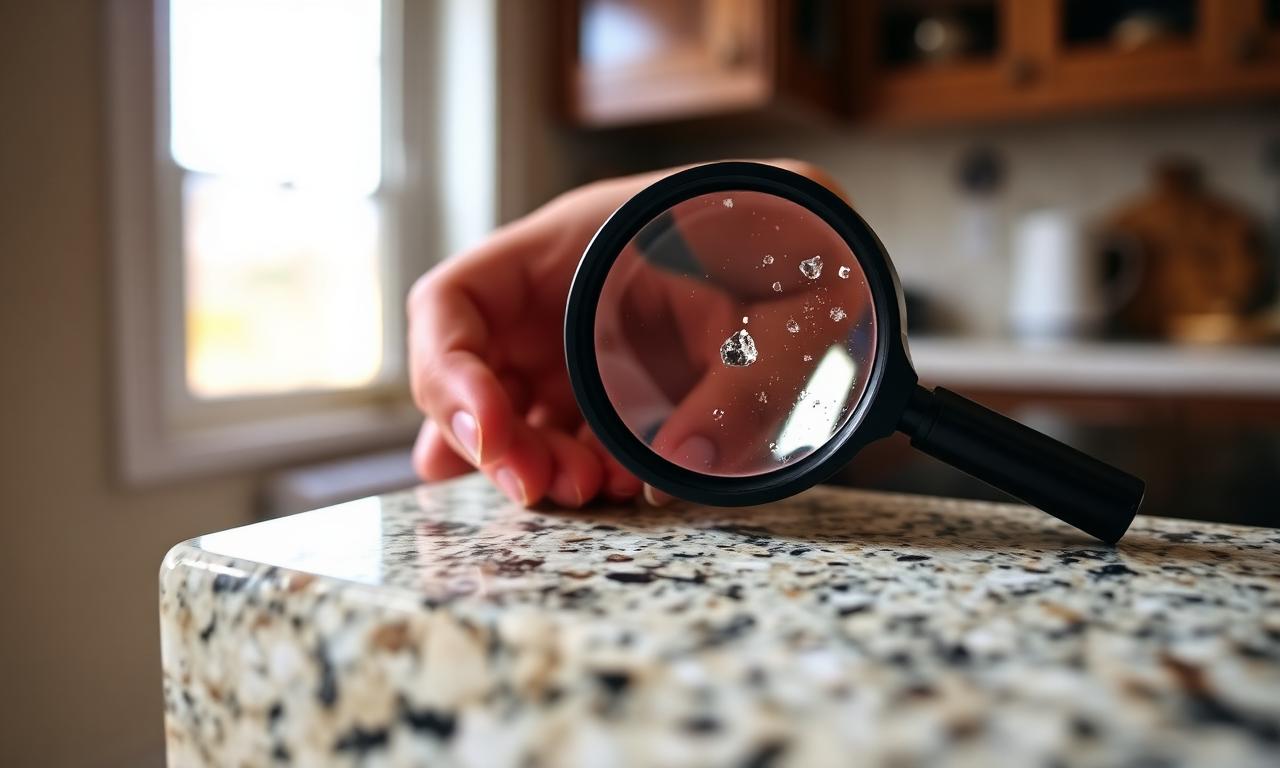
This is something many people do not know: heat alone rarely cracks granite countertops. Thermal shock does. The difference? Thermal shock occurs when one section of granite heats up quickly while another section stays relatively cool. That sudden temperature change creates pressure inside the slab, which can cause microscopic cracks around the hot spot. In some cases, a single thermal-shock event can create a visible crack if there's a pre-existing weak spot or natural fissure in the granite.
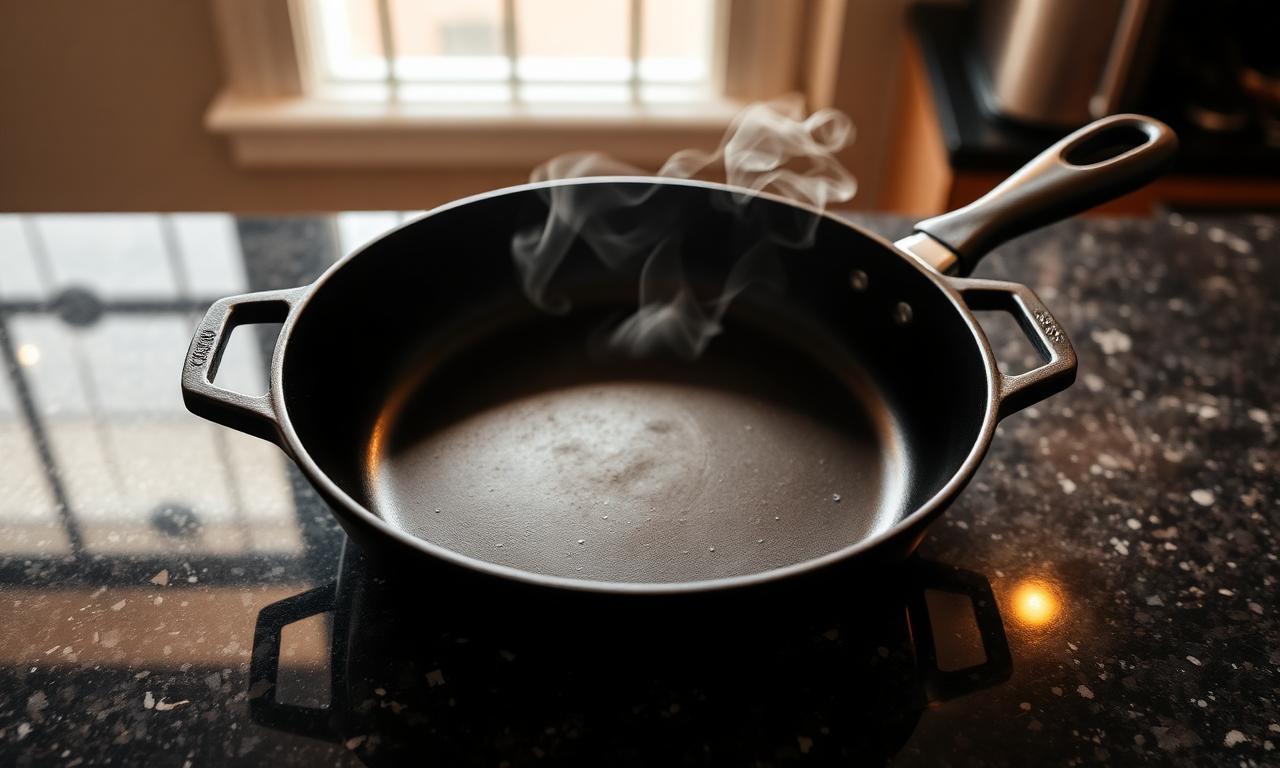
We've been fabricating and installing granite countertops in El Paso since 1985. One scenario we've encountered more than once: a homeowner takes a heavy cast iron skillet from a 500°F oven and places it directly on a room-temperature granite countertop. The granite doesn't shatter immediately. But a few weeks later, a small crack appears right where the pan was set. That crack is the result of gradual damage from thermal shock.
Hot pans on granite don't always result in a crack. Other factors raise the risk: the countertop is cold (common on a winter day in El Paso when overnight temps dip to 30°F or lower), the hot item is set on a thin area near a sink or stovetop cutout, the granite contains a natural fissure that acts as a stress point, or an extremely hot item is placed on the same spot more than once.
We see repeated heat exposure in the same small area of countertop all the time. Heat damage is cumulative, which makes thermal stress from repeated incidents far more likely. Slow-developing cracks often go unnoticed in busy El Paso kitchens until they're obvious.
Climate plays a role too. In summer, granite is often already warm from indoor temperatures, which lowers thermal stress. But in December and January, temps drop low overnight — not just near the Franklin Mountains, but in the Upper Valley too. You get out of bed, the granite is ice-cold, and you set a boiling pot right on top. That's as bad as thermal shock gets.
We source our granite directly from Brazil, and every slab has a different mineral composition. Darker stones with tighter crystal structures resist thermal shock better than lighter, more porous granites. But every granite is susceptible to some degree.
Simple steps prevent it: always use a trivet or hot pad between cookware and the countertop, keep hot items away from edges, seams, and cutouts (those areas are usually thinner), let pots cool for 30 seconds on the burner before moving them, don't repeatedly place hot items in the same spot, and make sure your granite is properly sealed (when it isn't, water can get trapped inside, expand, and crack the stone).
All of these things take very little time and almost no effort, and in return they protect a surface meant to last decades. Customers often show us a photo of a crack near the cooktop and swear nothing was ever dropped. Nine times out of ten, that's thermal shock from years of setting hot pots in the same spot — and the only fix is replacing that section of countertop. The repair always costs far more than the prevention. If you have questions about how a particular stone performs against heat, call us at 915 350 8100. We're a locally owned, family-operated business in El Paso, and we'll walk you through your options.
Heat Damages Your Granite Sealer Before It Damages the Stone
Here's something else people misunderstand. They think the granite is going to crack from the pan. That's not really the situation. It's the sealer that's affected.
Your granite countertop has a protective sealer on the surface of the stone, designed to keep water, oil, and stains from seeping in. That sealer is quickly destroyed by a hot pan. You can set pots on your countertop that reach 400°F or higher. The sealer is not designed for that kind of temperature.
We've been fabricating and installing granite countertops in El Paso since 1985, and we see this damage constantly. Someone sets a hot pan on the granite for a matter of seconds and thinks nothing of it. A couple of weeks later, they notice a dull ring where the sealer was burned away.
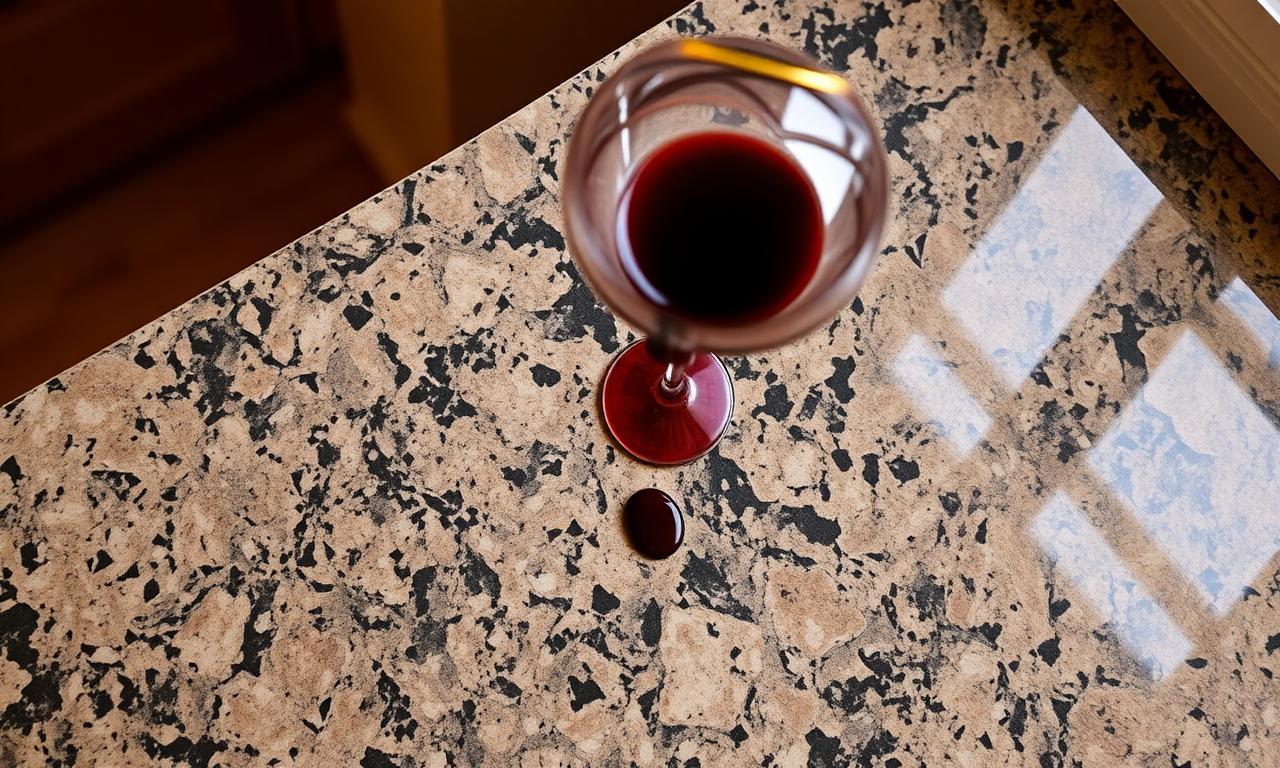
Once the sealer wears out in that spot, the granite underneath is exposed. Liquids can soak right in. Coffee, red wine, and cooking oil sink into the unprotected area. So the heat never really broke your granite countertop — it broke the sealer, and that allowed liquids to stain the stone. Think of the sealer like sunscreen. If you put sunscreen on and stay in the sun, it protects you. But if it wears off in one spot, that's the spot that burns. Same thing with granite and heat.
We live in the Borderland, where the air is dry and lacks moisture. In dry climates like El Paso, sealers wear out faster than they do in humid regions. The Marble Institute of America recommends resealing granite in arid climates more often than the standard once-a-year guideline. The combination of heat exposure and our dry desert air burns through sealer faster.
We source our granite directly from Brazil, and while granite is durable across the board, some slabs are denser and take to sealer better than others. Even so, no granite sealer on the market is designed to survive direct contact with a 500°F pot. There's no exception to that.
You don't have to baby your granite to keep it looking new. A few habits do the job: always keep a trivet, hot pad, or towel between cookware and the stone; let pans cook for an extra two or three minutes before pulling them off the burner; keep a hand towel near the stove as a temporary landing spot if you have to move a pan fast; test your sealer every 6 months with a simple water-drop test (if water soaks in instead of beading up, it's time to reseal).
These habits take seconds and save you from real work later — like trying to remove deep stains where the sealer has failed. Granite is tough stone and handles heat better than most countertop materials, but the only way to keep it looking like day one is to keep the sealer strong. One careless moment with hot cookware probably won't ruin your countertop, but it can leave you with an ugly stain where the sealer can no longer hold liquids back. If you're not sure whether your granite needs resealing, or you've already noticed spots from heat exposure, stop by our showroom on Gateway Blvd E. We've served El Paso homeowners for nearly 40 years and have seen exactly this situation many times. Call us at 915 350 8100 — a quick look at the surface tells us everything we need to know.