Here is something we tell every single customer: marble is beautiful, but it is one of the softest natural stones available for kitchens. We have been fabricating marble countertops at COMAF since 1985, and we make sure our customers know exactly what they are getting into before we cut a single slab. This guide covers the real disadvantages of marble — etching, staining, sealing commitments, and how El Paso's desert conditions add extra challenges.
Marble Is Porous, Soft, and Prone to Etching
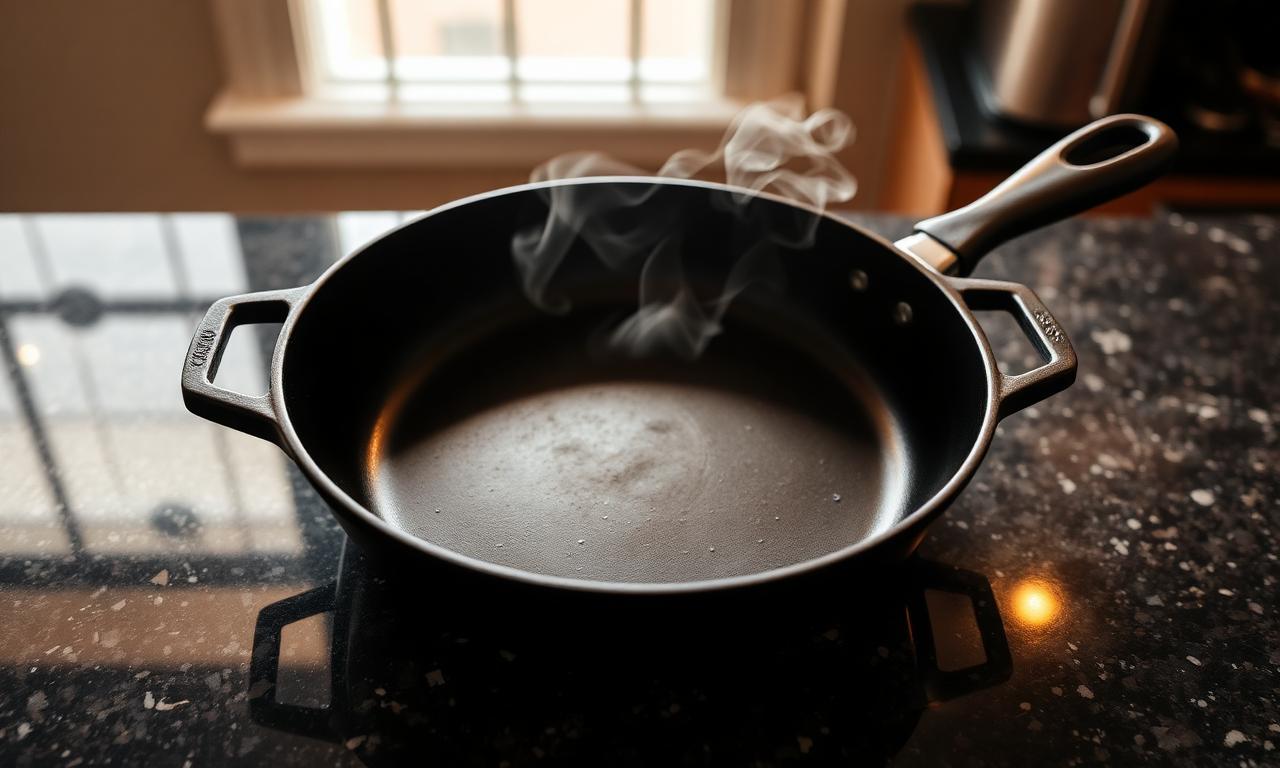
According to the Geological Society of America, marble is relatively soft. Marble sits at 3 to 5 on the Mohs hardness scale, while granite sits at 6 to 7. That difference is larger than you may realize. Softer stones scratch more easily — rubbing a ceramic plate across a marble countertop can scratch it, and placing a cast iron pan down carelessly can chip a corner. We see this on marble countertops across our Borderland service area, especially in kitchens with kids and heavy daily cooking.
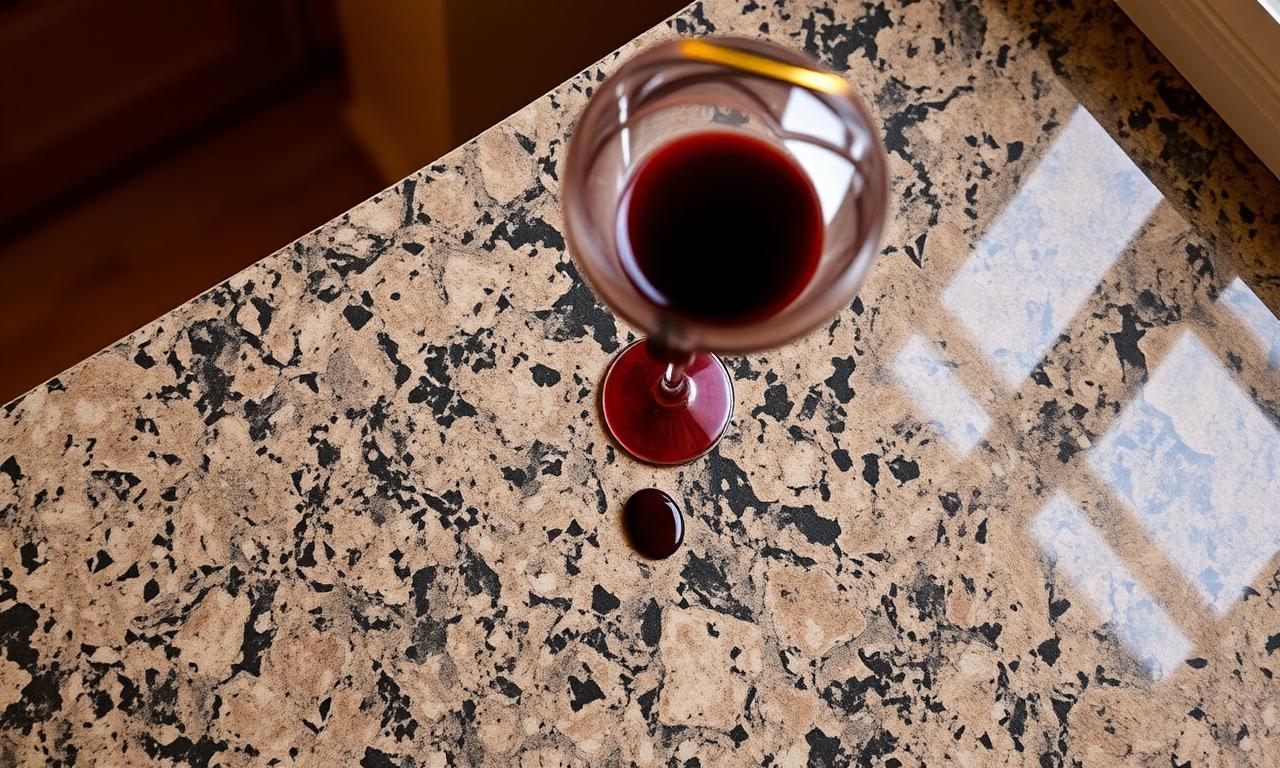
Marble is also porous. You cannot see its pores, but liquids penetrate them quickly. Red wine dropped on an unsealed marble countertop can stain within minutes. Coffee does the same, and even water can leave dark marks if it sits overnight. Sealing helps, but it acts like sunscreen — protection, not a permanent barrier. Marble countertops should be resealed every 6 to 12 months, and many homeowners have no idea until they see how fast the stone absorbs liquid.
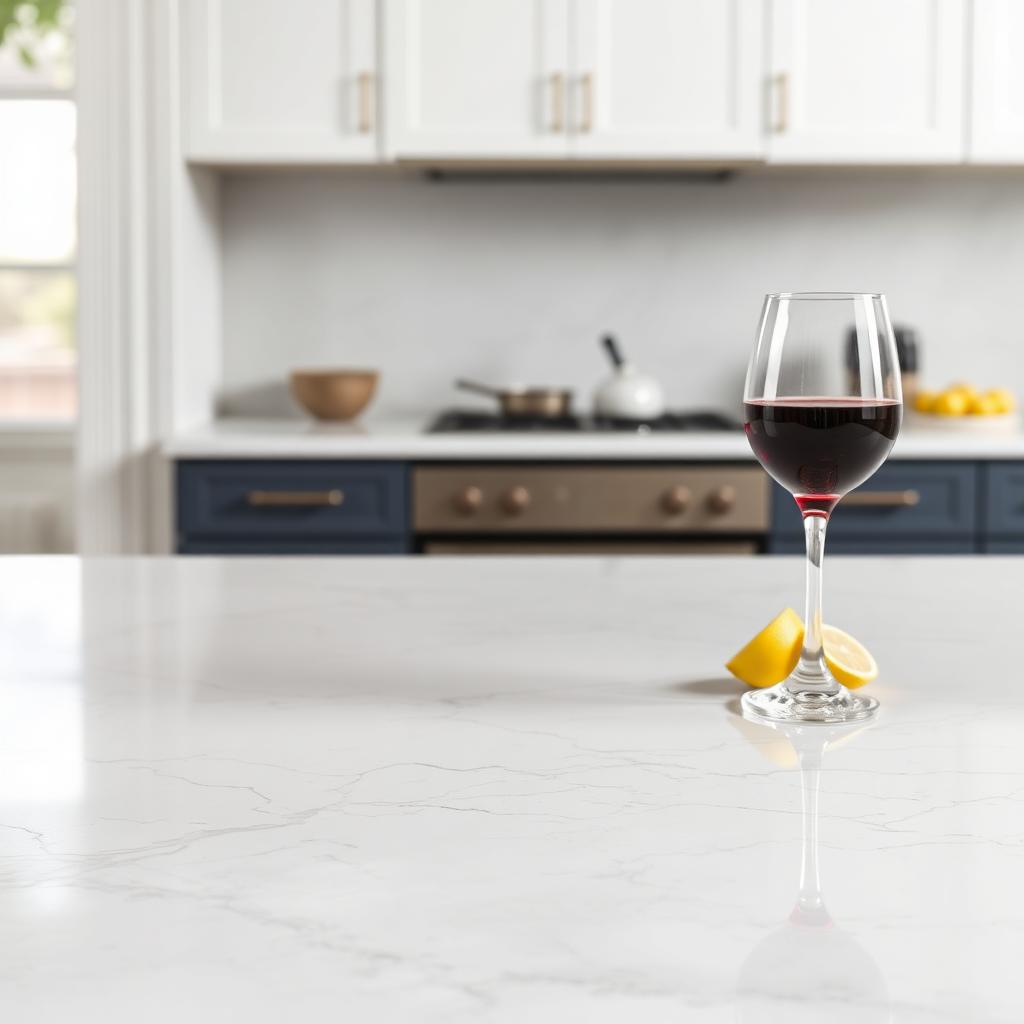
Etching is the biggest frustration. An etch mark is not a stain — it is a chemical burn. Marble is made of calcium carbonate, so acids like lemon juice, tomato sauce, vinegar, and harsh cleaners react against it and eat into the polished surface. Wiping or scrubbing an etch does not remove it; correcting it usually requires professional resurfacing. We have received photos from customers in the Eastside and Upper Valley of marble that looked cloudy within the first few months of normal use. The stone was not flawed — it simply reacted to the chemistry of kitchen life.
So should you stay away from marble? Not necessarily. Marble can be great in a bathroom or dining table where it is not exposed to significant acid. But go in with clear expectations. We always recommend comparing marble, granite, and quartz in person — come see all three at our showroom on Gateway Blvd E. We import our marble slabs directly from Brazil, and we will show you honestly what kind of abuse each material can withstand.
Countertop Maintenance With Marble Is a Real Commitment
We always tell the customer who falls in love with a marble sample: yes, it is gorgeous — but you cannot install it and ignore it. Marble absorbs coffee, red wine, lemon juice, and tomato sauce. If you do not wipe spills up fast, you end up with etching and staining. Our customers on the Westside have called about a dull ring left by a single glass of orange juice on brand-new marble. It happens faster than most people believe.
Sealing is not optional. Most stone care experts recommend resealing marble every 6 to 12 months, depending on how much you cook and entertain. Miss one cycle and stains sink deeper. We have been fabricating and installing stone in the Borderland since 1985, and we walk every customer through a sealing schedule before we leave the home. It takes about 30 minutes and it is easy — just make sure you actually do it. And remember: even sealed marble is stain-resistant, not stain-proof.
Everyday cleaning also requires specific supplies. Vinegar, bleach, and ammonia-based sprays all damage the finish over time. You need a pH-neutral stone cleaner, or warm water and a soft cloth — that is all. We see this mistake constantly: someone grabs the wrong spray bottle, and after six months the countertop looks hazy and faded. The fix means professional honing or re-polishing — added cost and time.
A reasonable marble routine for El Paso homeowners looks like this: wipe up spills quickly, especially acidic ones; clean daily with a pH-neutral cleaner and microfiber cloth; use coasters under glasses and trivets under hot pans; reseal every 6 to 12 months; and schedule professional stone cleaning annually for high-traffic kitchens. That is more work than granite or quartz — an important consideration if you want a low-maintenance kitchen. If you still want marble, call us at 915 350 8100 or stop by the showroom and we will let you compare real marble, quartz, and granite samples side by side.
Marble Is Harder to Keep Clean in El Paso's Desert Conditions
Most marble guides never mention climate — but it is a real issue here. The Borderland is prone to wind and dust storms, especially in spring. On granite or quartz, dust wipes away easily. On marble, dust is a problem: the particles act like sand, and wiping them across the surface micro-scratches the polish. Over time the shine dulls and you need professional re-polishing. We have seen marble countertops in the Upper Valley and out toward Montana Vista lose their shine within a year because of this.
Low humidity dries out sealant faster. El Paso hovers between 10 and 30 percent relative humidity for much of the year, and that arid air dries out every surface it touches — including the sealer on your marble. In humid cities, resealing every 12 months may work; in our dry desert environment, we typically recommend every six to eight months. Most people do not know this until a stubborn water ring will not scrub away.
Hard water leaves marks that look permanent. El Paso's water is high in minerals, and those white deposits build up on marble's calcium-based surface in a way that does not happen with quartz or engineered stone. A customer in Coronado Hills recently sent us pictures of a bathroom countertop she thought was ruined — it was just mineral buildup needing professional removal. The catch-22: acidic cleaners remove hard water stains, but acid damages marble. You are stuck choosing between the stain and the etch.
Temperature swings add stress too. Summer days over 100 degrees and winter nights below freezing mean constant expansion and contraction, and a west-facing kitchen window can swing a surface 40 degrees in 24 hours. Thermal stress will not crack a properly installed countertop, but it accelerates wear on seams and edges. Our desert climate does not make marble impossible — it just makes it more complicated. If you want the stone look with less upkeep, ask us about quartzite or quartz. Call 915 350 8100 and we will talk through the options honestly.