We have worked with marble since 1985 — quarrying stone in Brazil and fabricating countertops right here in El Paso. So when we tell you marble is not right for every kitchen, you can take our word for it. Marble is stunning, but it is a calcite-rich, acid-reactive stone that struggles in busy kitchens and bathrooms. This guide covers why real marble wears down in everyday use, and which marble-look alternatives — quartz, quartzite, and porcelain — give you the same elegant look with far less maintenance.
Why Real Marble Struggles in Everyday Kitchens and Bathrooms
Marble is a calcite-rich stone, and calcite reacts to acid. If you spill lemon juice, tomato sauce, vinegar, or even some cleaners onto marble, the surface will etch. Etch marks are dull, cloudy spots in the polished surface that cannot be wiped away — they are the result of a chemical reaction within the stone itself.
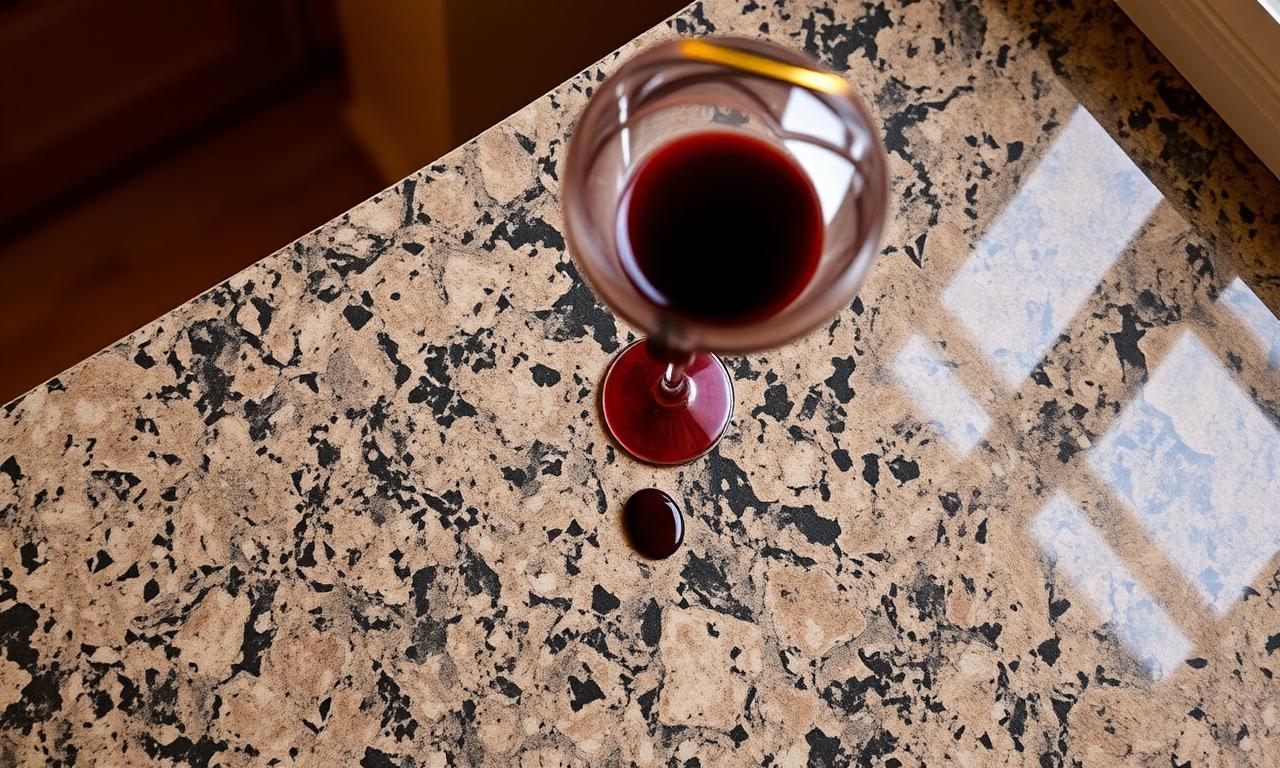
Marble etches, but it also stains. It is a soft, porous stone, and without regular resealing, coffee, wine, and olive oil can penetrate it. At our showroom, we see it often: customers bring in photos showing coffee mug rings or discoloration around the stove, surprised the countertop could be marked so fast. The Borderland's mineral-heavy tap water adds another layer — deposits leave ring marks on marble around sinks, and removing them without causing more etching is difficult.
Marble sits at about a 3 on the Mohs hardness scale, which means it is softer than the metal of your kitchen cutlery. Every time you drag a pot across the counter or cut without a cutting board, you are scratching and wearing the surface. Granite and quartzite are both harder than the average knife blade. In a busy Upper Valley kitchen or a twice-a-day bathroom vanity in Kern Place, the wear shows up sooner than most homeowners expect.
You can keep marble beautiful, but it demands high-maintenance care: sealing every 6 to 12 months, pH-neutral cleaners only, and wiping spills the moment they happen. Even then, it will patina over time. Some homeowners love that — most do not. That is not to say marble is a poor countertop; we install it every year for customers who embrace the upkeep, and it shines in powder rooms, guest baths, fireplace surrounds, and stone dining tables. But for kitchens that see daily cooking, acidic foods, and heavy water use, engineered and natural alternatives deliver the marble look with far better durability.
Quartz Is the Top Choice for a Marble Look in Most El Paso Homes
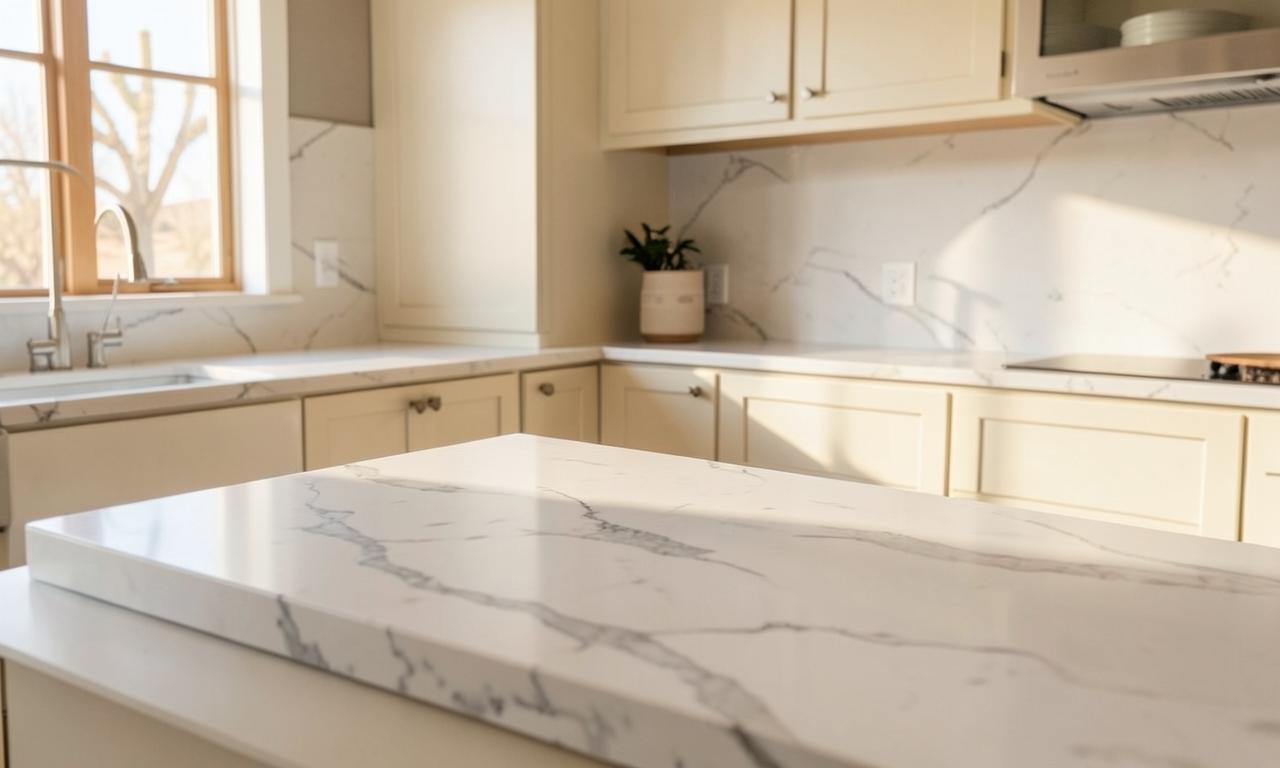
We have installed thousands of quartz slabs in the area since 1985, and modern quartz keeps getting better — sometimes we have to look twice when slabs come off the truck. The veining, muted gray shades, and creamy whites of a modern quartz slab can be hard to tell apart from genuine Calacatta or Carrara marble. Many homeowners walk into our Gateway Blvd E showroom and stop mid-step when they see the newest slabs.
Quartz is an engineered stone. According to the National Kitchen and Bath Association, manufacturers combine 90 to 94 percent ground natural quartz with resins and pigments to create each slab. The result is harder than marble and far less likely to stain or chip. The surface never needs sealing for its entire lifetime, and the resins and pigments let manufacturers replicate the veins and mineral deposits you would find in Italian marble — with realistic movement and depth.
Here is what quartz offers homeowners who love the marble aesthetic: it withstands acids like lemon juice and vinegar that would etch marble in seconds, it handles El Paso's hard water without etching or marring, it never needs resealing, and — this is often the least appreciated benefit — every slab looks the same. Unlike natural marble, where the full slab can arrive with more dramatic veining or a yellower base than the sample you picked, quartz gives you certainty.
One common scenario: last year, a Westside family came to us wanting white marble for their kitchen renovation. They had three small children and cooked every night. We walked them through marble's care requirements — the sealing schedule, the staining risk, the permanent etching from tomatoes and wine. They chose a bright white quartz with subtle gray veining instead, and six months later reported the counters still looked brand new. One honest caveat: quartz can discolor under prolonged direct sun, which matters in El Paso's 300-plus days of sunshine, especially in kitchens with big south-facing windows. For kitchens and bathroom vanity tops without intense sun exposure, quartz is your best path to the marble look with minimal worry. Call us at 915 350 8100 or come see the full quartz lineup in person.
Quartzite and Porcelain: Two More Marble-Look Options Worth Considering
Most folks who stop by our showroom love the appearance of marble but fear the staining, etching, and maintenance. That is when quartzite and porcelain enter the conversation — and both deserve full consideration.
Quartzite begins as sandstone deep underground, transformed by heat and pressure into a stone hard enough for any kitchen. We source our quartzite from Brazil, and stones like Taj Mahal and White Macaubas carry veining remarkably close to Calacatta marble. According to the Geological Society of America, quartzite rates a 7 on the Mohs scale versus marble's 3 — a major difference. Quartzite handles scratching, hot pots, and citrus juice far better than marble ever could. We install it in homes across the Westside, Upper Valley, and Coronado Country Club area. Each slab is one of a kind, so no two kitchens look alike. Just know quartzite still requires sealing — most families do it once a year and call it a day.
Porcelain slabs have transformed the industry over the last decade. High-definition inkjet technology prints marble patterns onto porcelain with a look incredibly close to Carrara or Statuario. Fired at over 2,200 degrees F, porcelain has virtually zero porosity — it cannot stain, acids cannot etch it, and a hot pan will not chip or crack it. It is a popular choice here for bathroom countertops and vanity tops, and a stress-free option for parents worried about spilled grape juice or nail polish. The tradeoff: porcelain's pattern is printed on the surface, so it lacks the depth of veining you see running through a real stone slab like quartzite. Come feel both in person — the difference is easy to judge when you see it.
Choosing between them comes down to this: pick quartzite if you want natural stone with real depth and do not mind sealing once a year, or if you want statement-making kitchen countertops whose pattern shifts with the light throughout the day. Pick porcelain if you want a material that never needs sealing, or for bathroom vanity tops and shower walls that get wet regularly. Either way, you get an elegant surface more durable than marble with the gray-and-white look El Paso homeowners love. Visit our showroom on Gateway Blvd E to see full-size quartzite and porcelain slabs from our Brazilian suppliers up close — or call 915 350 8100 to schedule a free estimate.