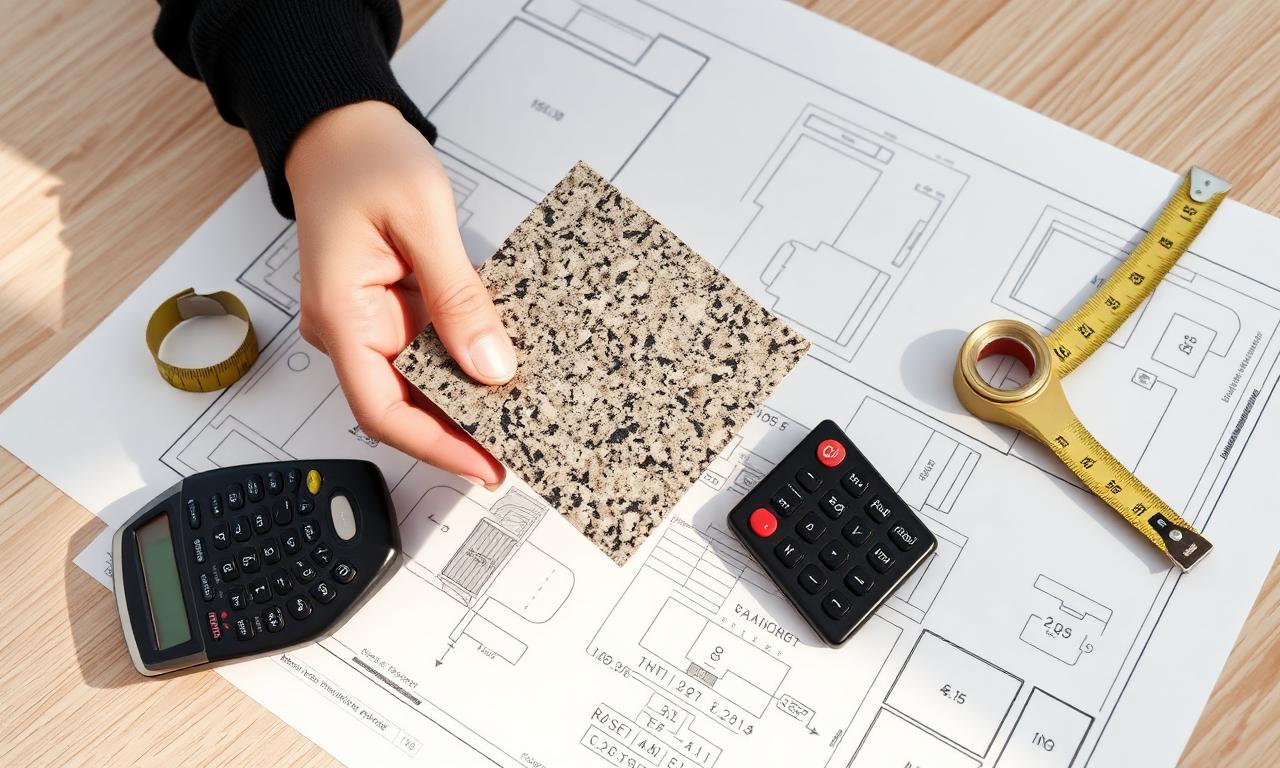
El Paso's stone fabricator since 1985 — premium Brazilian stone, cut and installed by our own hands. Many homeowners assume a quartzite countertop has one flat price. In reality, the number on your quote is built from material, fabrication, and installation, and each one has its own variables.
How Quartzite Countertop Expenses in El Paso Are Broken Down
Many homeowners assume that the cost for a quartzite countertop is a single lump sum. In reality, it is comprised of several elements. Every quartzite countertop project handled by COMAF involves three distinct cost elements: the quartzite countertop material itself, countertop fabrication, and countertop installation. If you understand each element, you will be able to budget for each part of the project before you visit our showroom at Gateway Blvd E.
The Quartzite Countertop Material: the material typically comprises the largest portion of the cost. The price of quartzite slabs may be affected by several factors. A white quartzite such as White Macaubas may be less expensive than a blue or green quartzite. Slab thickness also affects the cost. For kitchen countertops, a 3cm (1 1/4-inch) thickness is typically preferred, although 2cm (3/4-inch) quartzite is sometimes used as it may be less expensive by the square foot — though a 2cm slab needs a plywood support surface underneath it.
Pattern and veining matter too. A slab with a bold pattern of dark veins is often more expensive than one with faint, lighter veining, because fewer slabs meet that color, pattern, and thickness combination. All quartzite is different even when slabs share the same name, so it is important to see the specific slab you are buying — photos never truly show the depth and movement of natural quartzite. COMAF keeps full-size quartzite slabs on display in our showroom so El Paso homeowners can view exactly what we have in stock.
Countertop Fabrication: this is the second element. It includes templating your kitchen or bathroom, cutting the slab to size, polishing the edges, and creating openings for the sink and cooktop. Fabrication is the step most often overlooked or underestimated in any natural stone project.
Because quartzite is harder than granite (7 on the Mohs hardness scale according to the Mineralogical Society of America), fabrication may cost more. Harder slabs wear out diamond saw blades faster and require more time and more skilled labor. A simple slab shape with a straight edge and a single cutout costs less to fabricate than a countertop with a curved edge and multiple cutouts. Our team has been fabricating quartzite since 1985, which is not the case at every shop in the Borderland area — and poorly cut quartzite slabs can be costly.
Countertop Installation: the final element covers delivering the quartzite, dry-fitting it in the home, any additional on-site trimming, fastening the countertop in place, and sealing the seams. A single-slab countertop takes roughly half a day to install. The number of countertops and the size and shape of each piece will change that estimate.
If you are replacing an existing countertop in your El Paso home, your current cabinetry must be able to support the new stone. A 3cm slab typically weighs 20 to 25 pounds per square foot. We verify cabinet strength during our complimentary in-home templating appointment so there are no unpleasant surprises on installation day.
Slab pricing fluctuates based on quartzite type, thickness, and how much material your layout requires. Fabrication costs vary based on edge type, number and type of cutouts, and how many seams you need. Installation costs vary based on your kitchen layout, cabinet condition, and how accessible the job site is.
Because each of these three components has its own variables, two kitchens with the same square footage can have very different bottom-line figures. That is why we sit down with every customer and explain each line of the quote before work begins. If you want to see quartzite slabs in person or talk through your own project, stop by our showroom or visit our quartzite countertops page for more on our inventory.
The Six Things That Impact the Final Cost of Quartzite Countertops
A lot of people assume the slab itself is the most expensive component. It is not always that simple. We have been fabricating quartzite countertops at COMAF since 1985, and we have seen six factors drive each project's bottom line.
1. Slab Origin and Scarcity. We import our quartzite directly from Brazil, and some colors come from a single quarry, which makes supply finite. An everyday white quartzite is less expensive than a striking blue or green slab with heavy veining. The rarer and more one-of-a-kind your slab, the higher the price.
2. Slab Thickness. Quartzite generally comes in 2cm or 3cm. A 3cm slab is heavier, uses more stone, and looks sturdier on an island or vanity — but that extra centimeter adds both stone cost and labor. Most El Paso homeowners choose 3cm for kitchens and 2cm for bathrooms.
3. Edge Profile. A plain eased edge is quick to finish. A full bullnose or ogee edge is labor-intensive and time consuming. Every detail and bend means additional tooling and a great deal of hand polishing. The more elaborate the profile, the more fabrication time your project requires.
4. Layout and Type of Cutouts. A straight run of cabinetry with a single sink cutout is the simplest job. Add a cooktop cutout, an undermount sink, and an L-shaped layout with a seam, and fabrication time doubles or triples. Each cutout weakens the stone slightly, so each one requires slow, careful work. A waterfall island edge needs a precise 45-degree miter cut — one of the most labor-intensive cuts in countertop fabrication. We make these often for homeowners in the Westside and Upper Valley, but they add to the total.
5. Kitchen Size and Square Footage. A 30 square foot vanity top costs far less than a 60 square foot kitchen with an island. Larger kitchens need more material, more seams, and more installation time. Many Borderland homes built in the 1990s and 2000s have open-concept kitchens with islands — they look great in quartzite, but they take more stone.
6. Demolition and Site Conditions. Do old tile countertops need to come out? Is the kitchen on a second story? Can our truck reach the site to unload stone? One home near Scenic Drive had such narrow driveway access that installation took noticeably longer. Removing old granite or reinforcing cabinets that were not built for a 3cm slab also adds to the cost. We always schedule a site visit before giving a final price — it is the only way to know what to expect.
What does all this mean? Two quartzite projects in El Paso can carry very different prices for very good reasons. Your neighbor may have paid less because they chose a thinner slab with a simple straight edge, or more because they picked a rare Brazilian stone and a waterfall island. The best thing you can do is visit us, walk the slab yard, touch the stone, and ask questions. We will show you how each factor plays into your project so you know where your budget matters most.
Quartzite vs. Quartz: Why These Two Countertop Materials Have Such Differing Prices
We hear this almost every week at our showroom on Gateway Blvd E. A homeowner standing in front of the quartzite slabs asks how much quartz countertops cost these days. The names sound nearly identical, but the materials are very different.
Quartz countertops are engineered. Crushed quartz (about 90%) is combined with resins, polymers, and pigments, then pressed into a slab at a factory. The result is a consistent slab that looks like every other slab in that line.
Quartzite is natural sandstone that formed deep underground under extreme heat and pressure over millions of years, producing one of the hardest stones on the planet — with veining and movement unlike anything else.
So why does quartzite cost more to fabricate and install? It starts in the quarries of Brazil, where mining companies cut massive blocks from remote mountain sites. We pay to ship all of that weight across the world before the first slice is made. Fabrication is the other major reason. Quartzite ranks 7 on the Mohs hardness scale according to the Mineralogical Society of America — harder than granite. Our fabricators use diamond-tipped blades and specialized tooling, spend more time polishing, and have less room for error. Engineered quartz is softer, cuts faster, wears blades more slowly, and its factory consistency makes templating simpler. That is why quartz costs less.
What are you really paying for with quartzite? Rarity — it forms over geological time while quartz is manufactured. Difficulty — it is harder to cut, fabricate, and install. Uniqueness — every quartzite countertop is genuinely one of a kind. And longevity — quartzite is more heat resistant and scratch resistant than quartz.
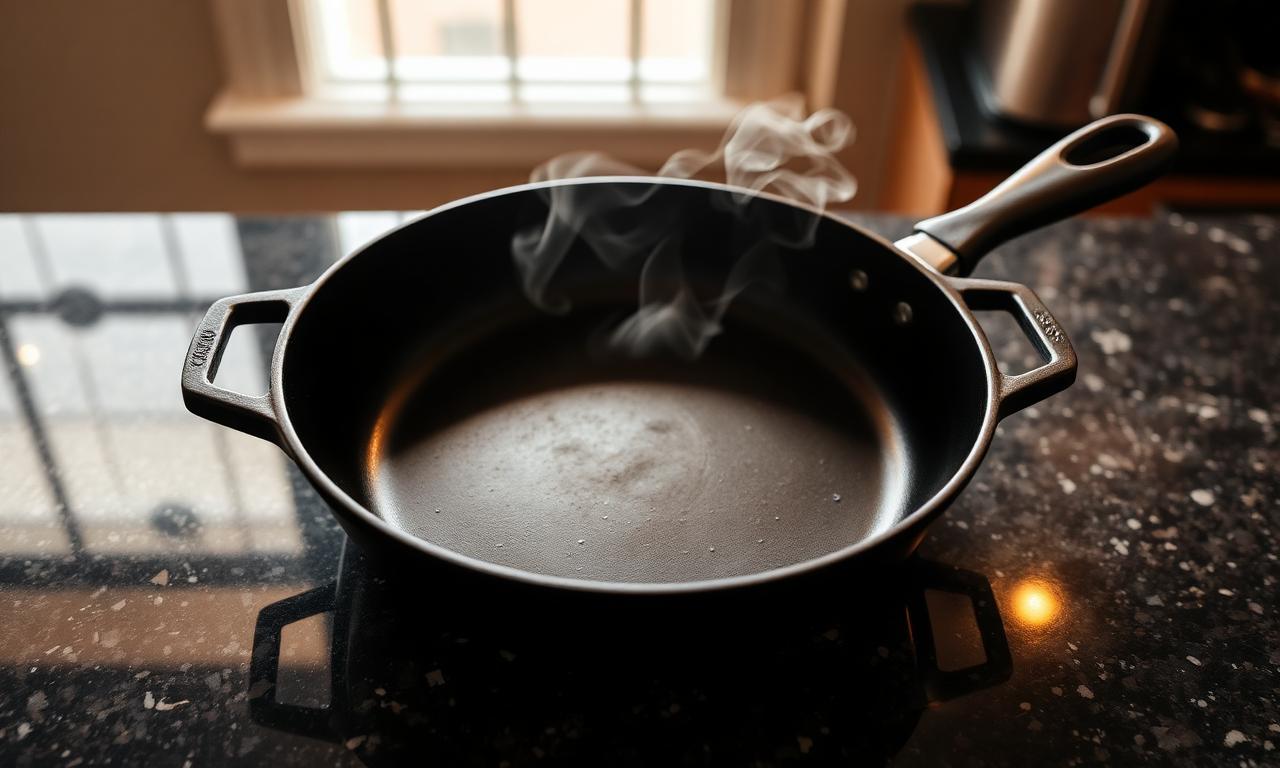
That last point matters for Borderland homeowners. We have served El Paso since 1985 and have seen how hot the Westside sun makes a kitchen. Quartzite handles thermal stress well, while the resin in quartz is more vulnerable to heat, discoloration, and warping. One couple from Coronado Hills came in set on the look of Taj Mahal quartzite, thinking it was a quartz color. We showed them both materials side by side, let them feel the density difference, and had them set a hot pan on the edge samples. They chose quartzite not because it was cheaper, but because they understood its value.
We install both quartz and quartzite, and neither is right for every kitchen. What matters is which fits your family, your needs, and your budget. Our quartzite countertops page covers what to expect before you schedule a visit. Bottom line: quartzite costs more because it is more labor-intensive to source, fabricate, and install. You are not just paying for a good-looking slab — you are paying for stone formed deep underground over millions of years.